How a General Dentist Helps You Stay Ahead of Oral Issues
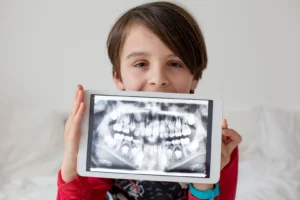
Most people think about dentistry when something hurts. A sharp twinge with cold water, a chip on a front tooth before an event, swollen gums that start bleeding during brushing, these are the moments that push dental care to the top of the list. Yet the real value of a General Dentist often shows up long before pain arrives. Good general dental care is less about reacting to emergencies and more about staying several steps ahead of them.
That preventive role is easy to underestimate because it rarely feels dramatic. A routine exam may seem uneventful when all you hear is that things look stable. But stability is not luck. It is usually the result of regular monitoring, small interventions at the right time, and advice that fits your actual habits, diet, health history, and risk profile. In practice, that is how serious oral problems often get avoided.
People who maintain a relationship with a General Dentist tend to benefit from pattern recognition over time. Teeth shift. Old fillings wear at the edges. Clenching leaves subtle signs. Gums respond to stress, hormones, medications, and changes in home care. None of this appears overnight. A clinician who sees you consistently can notice the difference between what is normal for your mouth and what is beginning to drift in the wrong direction.
The difference between treatment and prevention
There is a practical gap between fixing a problem and preventing it. Restorative treatment, whether it is a filling, crown, root canal, or extraction, addresses disease after it has advanced enough to require repair. Prevention aims to interrupt that process earlier, when the solutions are simpler, less expensive, and easier on the patient.
Take tooth decay. Cavities do not suddenly appear as large holes. They begin as mineral loss in the enamel, often in places the patient cannot see. In early stages, a General Dentist may identify changes through visual exam, bitewing X-rays, or dry field inspection and recommend fluoride, dietary adjustments, or closer monitoring. Catching decay at that point can mean avoiding a filling entirely. Waiting six or twelve months too long can turn the same spot into a restoration, and eventually, if neglected, a much larger procedure.
The same logic applies to gum disease. Early gingivitis may cause mild redness or bleeding without discomfort. Many people shrug it off because there is no pain. But gum inflammation can progress quietly. By the time teeth feel loose or chewing becomes uncomfortable, the supporting bone may already be affected. Regular cleanings and periodontal evaluation help intercept that process before it moves into harder territory.
This is why preventive visits matter even when life is busy and nothing seems wrong. Oral disease is often gradual, and gradual problems are exactly what routine care is built to catch.
What a General Dentist is really watching for
A comprehensive dental exam is broader than many patients realize. It is not only about whether you have a cavity that day. A General Dentist is looking at the mouth as a functional system, one tied closely to the rest of the body.
They assess the teeth, of course, but also the gums, bite alignment, jaw function, soft tissues, existing restorations, and signs of wear. A small crack line on a molar may not need immediate treatment, but it matters if you are a nighttime grinder. A filling that looked fine two years ago may now show edge leakage that increases the risk of recurrent decay. Slight gum recession around a lower canine may point to aggressive brushing, bite forces, or both.
Soft tissue screening is another major part of staying ahead of oral issues. Dentists routinely look at the tongue, cheeks, palate, and floor of the mouth for unusual lesions or changes in tissue. Most findings are benign, but early evaluation is important. The point is not to create alarm. It is to avoid missing something that should be monitored or biopsied.
Jaw joints and muscle tension also tell a story. Patients often report headaches, facial tightness, or sensitivity without connecting those symptoms to the mouth. A General Dentist may spot flattened chewing surfaces, scalloped tongue edges, or tenderness in the chewing muscles and trace those signs back to clenching or grinding. That can lead to a night guard, bite evaluation, or referral before teeth fracture or the jaw becomes chronically irritated.
Why regular cleanings do more than make teeth feel polished
A professional cleaning has obvious cosmetic appeal. Teeth feel smoother, the mouth feels fresher, and surface stain often lifts. But the deeper benefit is biological. Plaque is soft and can be removed at home when brushing and flossing are consistent and effective. Once it hardens into tartar, especially below the gumline, home care cannot remove it.
That matters because tartar creates a rough surface where more bacteria can adhere. If it sits long enough, gums stay inflamed. Bleeding becomes more common. Pockets around the teeth may deepen. A patient can brush faithfully and still lose ground if tartar builds in hard-to-reach areas.
Professional cleanings interrupt that cycle. They also create a checkpoint. Hygienists and dentists often notice subtle changes during these appointments that patients miss, such as a spot that traps food repeatedly, an area where floss shreds because a filling margin is rough, or recession that suggests an overly forceful brushing technique. These details matter because they help refine home care before bigger problems set in.
Frequency is not the same for everyone. Many patients do well with cleanings every six months. Others, especially those with a history of periodontal disease, dry mouth, diabetes, smoking, or heavy tartar buildup, may need shorter intervals. Good preventive care is individualized, not formulaic.
X-rays and early detection, used with judgment
Dental X-rays can feel routine, but they are one of the most useful tools a General Dentist has for getting ahead of hidden problems. Cavities between teeth often cannot be seen clinically until they are fairly advanced. Bone loss, developing infections, impacted teeth, and changes under existing restorations may also be invisible during a standard visual exam.
That said, good care is not about taking images mechanically at every visit. It is General Dentist about using them thoughtfully. A low-risk adult with excellent home care and little history of decay may not need the same frequency as a patient with multiple recent cavities or large existing restorations. Clinical judgment matters. So does communication. Patients should understand why an image is recommended and what it is meant to evaluate.
One of the most frustrating scenarios in dentistry is when a patient declines periodic imaging for years because nothing hurts, then is surprised to learn that a seemingly minor issue has progressed beneath the surface. Pain is a late and unreliable guide. X-rays help close that gap.
The quiet problems patients often miss
Some oral issues announce themselves clearly. Others are remarkably easy to ignore until they are advanced. In daily practice, certain patterns come up again and again.
- Small cavities between back teeth that cause no sensitivity until they are deep
- Failing fillings or crowns that look intact from the outside but leak underneath
- Gum inflammation that bleeds occasionally but never truly hurts
- Tooth grinding that slowly chips enamel and strains jaw muscles
- Dry mouth linked to medication use, which sharply raises decay risk
These are not rare edge cases. They are common findings in otherwise healthy adults who assume they would notice if something were wrong. Often they would not, at least not early enough to keep treatment simple.
Dry mouth is a good example. Many people do not mention it because they assume it is just part of aging or a side effect they have to live with. But reduced saliva changes the entire oral environment. Saliva helps buffer acids, remineralize enamel, and wash away food particles. When it decreases, cavity risk rises, especially along the gumline and around existing dental work. A General Dentist can identify that pattern, review contributing medications, suggest saliva-supportive strategies, and increase surveillance before widespread damage occurs.
The value of trend lines over one-time snapshots
A single dental appointment can identify current problems. A long-term relationship with a General Dentist can reveal trends. That distinction is more important than many patients realize.
Think about a patient whose lower front teeth have gradually become crowded over ten years. No single shift feels dramatic, but together they may make flossing harder and plaque retention worse. Or consider a patient whose old silver fillings are beginning to crack the surrounding tooth structure. None may be urgent this year, yet taken as a whole, they suggest a need for a staged treatment plan before one tooth breaks unexpectedly.
Dentistry works best when care is not purely episodic. Longitudinal knowledge allows the dentist to prioritize. Which watch areas are stable? Which are beginning to worsen? Which can safely wait, and which are likely to turn costly if postponed? That kind of sequencing is hard to do well without history.
Patients benefit from this in practical ways. Instead of facing a stack of urgent treatment all at once, they often get a manageable road map. One tooth can be monitored. Another should be restored within six months. A night guard may protect several teeth from future fracture. The goal is not to push treatment. It is to time it intelligently.
How general dentistry connects with overall health
The mouth does not operate separately from the rest of the body. General dentists regularly see the oral effects of systemic conditions, medications, and life stages. Diabetes can influence gum health and healing. Pregnancy may heighten gingival inflammation. Acid reflux can erode enamel, especially on the inner surfaces of the teeth. Certain blood pressure, allergy, depression, and ADHD medications can contribute to dry mouth.
This matters because early signs often show up orally before patients connect them to a broader health issue. A General Dentist may be the first clinician to notice a pattern worth discussing with a primary care physician or specialist. That collaborative role is easy to miss, but it can be significant.
There is also a behavioral side to this connection. People under stress may clench more, snack more frequently, neglect flossing, or delay appointments. Those changes can alter oral health surprisingly quickly. A professional who asks the right questions can identify those links and help patients adapt rather than fall behind.
Personalized advice beats generic dental tips
Patients hear the same broad advice constantly: brush twice a day, floss daily, limit sugar. That guidance is sound, but it is incomplete. Real prevention depends on specifics.
A patient with recession and sensitivity may need a softer brushing technique, a low-abrasion toothpaste, and fluoride varnish. Someone with multiple cavities despite good brushing may need a closer look at snacking patterns, sports drinks, dry mouth, or crowded contact points. A teenager in orthodontic treatment needs different coaching than a retiree with implants and reduced dexterity in the hands.
This is where a General Dentist earns trust. The best advice is not generic. It is tailored to the patient sitting in the chair. Sometimes that means saying the issue is not effort but technique. Sometimes it means acknowledging that a perfect home-care routine is unrealistic and designing a plan that is good enough to work in real life.
A dentist with experience also knows when not to overreact. Not every stain is decay. Not every worn tooth requires crowns. Some conditions deserve watchful waiting, provided the patient understands the risks and follows through. Restraint is part of good care too.
Small interventions that prevent bigger dentistry
Patients are often relieved to learn that getting ahead of oral issues does not always mean major treatment. In many cases, small steps make the largest difference.
- A fluoride treatment to strengthen vulnerable enamel
- Smoothing a rough filling margin that keeps trapping floss
- Adjusting a bite that is overloading one tooth
- Fabricating a night guard before a cracked tooth becomes an emergency
- Sealing deep grooves in a child or teen’s molars to lower cavity risk
These are modest interventions, but their impact can be outsized. A night guard, for example, may look simple, yet it can prevent broken cusps, morning headaches, and repeated repair of chipped dental work. Likewise, a sealant takes little time but can protect anatomy that is especially prone to decay during cavity-prone years.
From a cost perspective, preventive care tends to be far easier on the budget than corrective work. That is not a scare tactic, just the arithmetic of dentistry. Monitoring and maintaining a tooth is almost always less complex than rebuilding it after significant disease or fracture.
When patients delay care, what tends to happen
Every practice sees the same cycle. A patient postpones routine visits because work is hectic, insurance changed, there is anxiety about treatment, or nothing feels urgent. Months turn into years. Eventually something becomes painful, breaks, or starts affecting daily life. At that point, the problem is often larger than the patient expected.
A tiny area of decay that could have been watched or filled conservatively may now need a crown. Gum irritation that would have improved with cleanings and better home care may now require deeper periodontal treatment. A tooth weakened by grinding may split in a way that leaves extraction as the only realistic option.
The issue is not moral failure or neglect in some dramatic sense. Most delayed care comes from ordinary life pressures. But biology does not pause while schedules stay full. aspenwooddental.com General Dentist Oral disease progresses whether it is convenient or not.
This is also why dental anxiety deserves to be addressed directly. Fear keeps many people out of the chair until they have no choice. A good General Dentist understands that and can often help by pacing treatment, explaining clearly, using local anesthesia effectively, and building trust over several visits. Staying ahead of problems becomes much easier once avoidance is no longer driving decisions.
What to expect from a proactive dental relationship
The strongest preventive care usually feels collaborative. You are not simply showing up to be told whether you passed or failed. You and your General Dentist are watching for change, managing risk, and making decisions before urgency takes over.
A proactive relationship often includes honest discussion about habits, finances, timing, and priorities. Maybe you know you clench during deadlines. Maybe you travel constantly and need an easier hygiene routine. Maybe several old restorations will need attention eventually, but not all at once. Good care accounts for those realities.
It also helps when patients know what questions to ask. If a dentist says an area should be monitored, it is fair to ask what signs would change that recommendation. If gum inflammation keeps returning, ask what is driving it. If cavities keep developing despite effort at home, ask where the pattern is showing up and what specific change would reduce risk most.
That kind of dialogue turns routine dentistry into preventive strategy.
Staying ahead is usually less dramatic, and far more effective
There is no glamour in a stable six-month checkup, no dramatic story in a filling that never became necessary, no visible milestone when a night guard prevented a cracked molar. Yet those quiet wins are where general dentistry does some of its best work.
A General Dentist helps patients stay ahead of oral issues by noticing what changes slowly, interpreting what those changes mean, and acting while options are still favorable. That may involve diagnostic imaging, preventive cleanings, tailored home-care advice, conservative treatment, or simply careful monitoring over time. What ties it together is judgment.
For patients, the payoff is more than avoiding pain. It is preserving healthy tooth structure, reducing the odds of emergency care, controlling long-term costs, and keeping the mouth functioning comfortably year after year. Most dental problems become harder once they are obvious. The real advantage lies in catching them before they announce themselves.
That is the quiet discipline of preventive dental care, and it is exactly where a good general dentist proves most valuable.
Aspenwood Dental Associates and Colorado Dental Implant Center
2900 S Peoria St Ste C, Aurora, CO 80014, United States
+1 303-731-4037
FAQ About General Dentist
How long do teeth fillings last in Aurora, CO?
Fillings can last for years, but they are not lifetime restorations. Their durability depends on the material, the size and location of the filling, chewing forces, and oral hygiene. A general dentist can examine a filling for wear, damage, or new decay and explain whether monitoring, repair, or replacement is appropriate. Age alone does not establish that a filling needs replacement.
How Can I Reduce Dental Anxiety?
Tell the dental team about your concerns when booking and again at your visit. Ask for an explanation of each step, agree on a signal for breaks, and consider slow breathing or headphones if the practice permits them. Discuss pain control and any sedation options with the dentist; suitability depends on your health, medicines, and planned treatment.
When should your child first see a dentist in Aurora?
Arrange the first dental visit within six months after the first tooth appears and no later than the first birthday. Early visits allow the dentist to assess development and discuss brushing, fluoride, feeding habits, and cavity prevention. Ask the practice whether it sees infants and how it handles referrals when a child needs specialist care.