How Aurora Emergency Dentists Treat Severe Tooth Damage
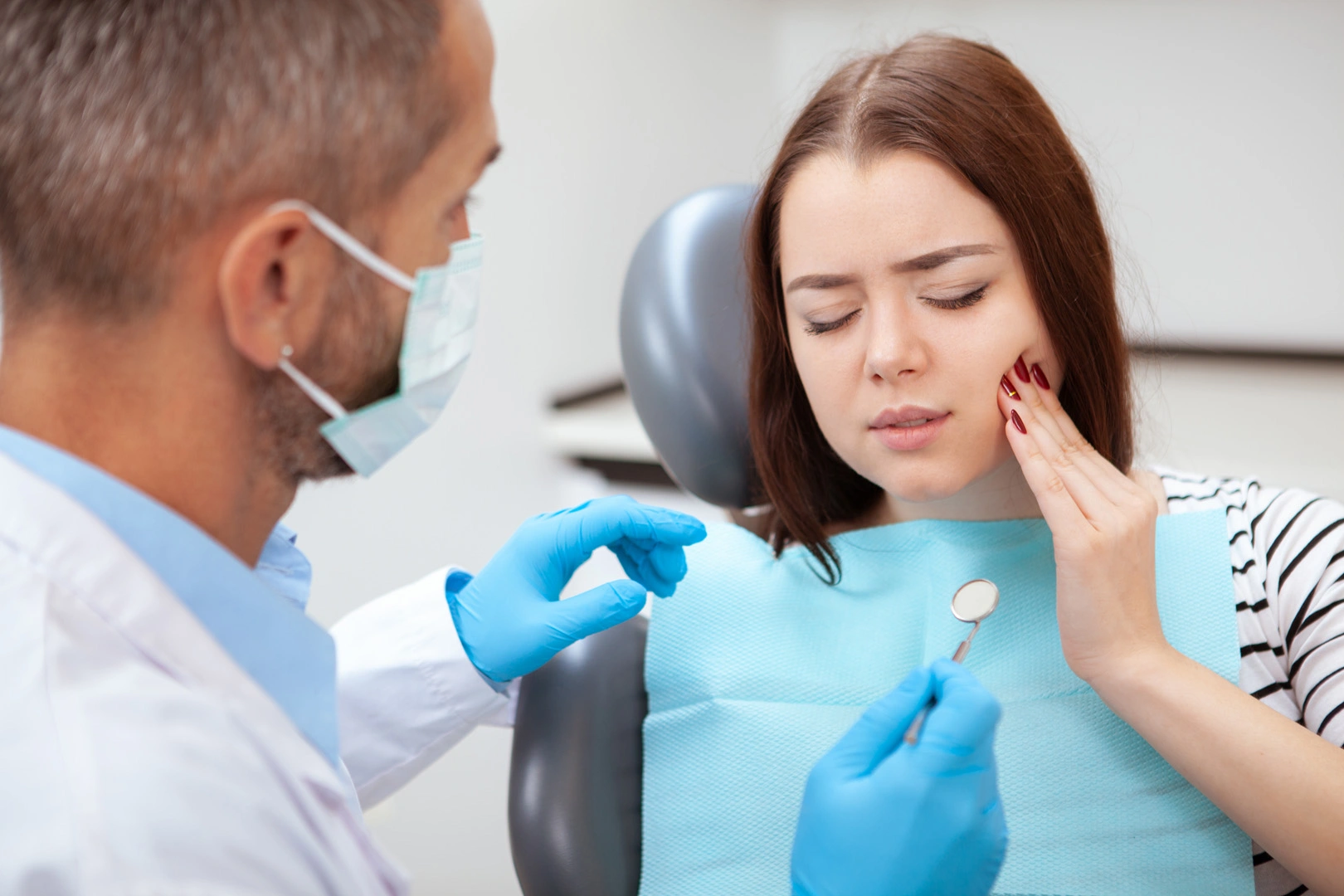
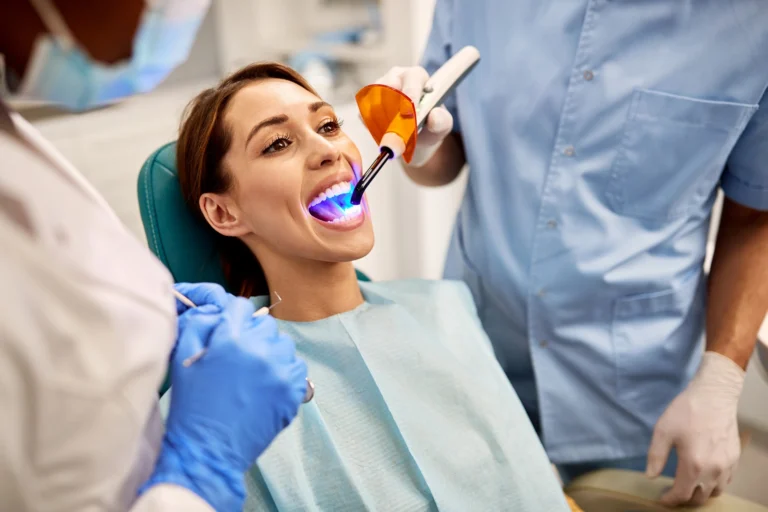

Severe tooth damage has a way of stopping a normal day cold. A patient can walk into the office talking about lunch plans and ten minutes later be focused on one thing only, whether the tooth can be saved. Cracked enamel, a deep fracture, a knocked out front tooth, or a molar split around an old filling all create the same urgent pressure. There is pain, of course, but there is also fear. People worry about losing the tooth, changing their appearance, missing work, and paying for treatment they did not expect.
That is why a true dental emergency in Aurora is handled differently from a routine visit. The first goal is not cosmetic perfection. It is stabilization. Emergency dentists work through a practical sequence: control pain, stop bleeding, protect the remaining tooth structure, assess the nerve and root, rule out infection, and then decide whether the tooth is restorable. Those first decisions often determine whether a patient keeps the tooth for years or loses it within days.
What makes severe tooth damage complicated is that the visible problem is not always the full problem. A chipped edge can hide a vertical crack that runs below the gumline. A darkened tooth after a sports injury may look fine on the surface but have a damaged pulp. A broken crown may seem minor until the dentist removes it and finds decay extending under the margin. Emergency care is part diagnosis, part triage, and part restoration, all under time pressure.
What counts as severe tooth damage
Not every chipped tooth is an emergency, but the line between minor and severe is usually clear once symptoms and tooth structure are considered. Severe damage generally means one or more of the following are present: significant pain, exposed dentin or pulp, a fracture that changes the bite, bleeding around the tooth, mobility, facial swelling, or damage caused by trauma. Front teeth draw immediate concern because of appearance, but back teeth can be even more urgent when a fracture compromises chewing forces.
A useful distinction in practice is whether the tooth is merely injured or structurally unstable. A small chip from biting ice may need smoothing or bonding and can often wait a short time. A large break that leaves sharp edges and sensitivity to air usually needs same day attention. A tooth broken down to the gumline, or one that moves when the patient bites, is a different category entirely. That is the kind of case where delay can convert a salvageable tooth into an extraction.
Emergency dentists in Aurora also see a seasonal pattern. Winter slips on ice, summer sports injuries, and holiday weekends with hard candy and sticky foods all bring their own versions of tooth damage. The causes vary, but the clinical questions remain the same: How deep is the damage? Is the root involved? Is the nerve alive? Can the tooth be rebuilt predictably?
The first few minutes matter more than people think
When a patient calls with severe tooth damage, the conversation starts before anyone sits in the chair. Good front desk teams ask targeted questions because those answers shape the appointment. Was there trauma to the face or jaw? Is the tooth completely out, partially out of position, or just broken? Is there uncontrolled bleeding? Is the patient having trouble swallowing Dental Emergency Aurora or breathing? Those last symptoms can signal a broader emergency that belongs in a hospital setting first.
Once the patient arrives, the exam is focused and efficient. The dentist listens to the history, but the details that matter most are timing, mechanism of injury, pain pattern, and changes in bite. A tooth that cracked while chewing a bagel tells a different story from a tooth broken in a fall. One suggests a preexisting weakness, perhaps from a large filling or hidden crack. The other raises concern for root injury, supporting bone damage, and soft tissue trauma.
Clinical evaluation usually includes photographs, percussion tests, palpation of surrounding tissue, mobility checks, and dental X rays. In trauma cases, more than one image angle may be needed because fractures do not always show up on a single film. Dentists also check the lips, cheeks, and tongue for embedded tooth fragments. It is not rare to find a missing piece lodged in soft tissue after an impact.
How emergency dentists decide whether a tooth can be saved
Patients often ask, “Can you fix it?” right away. It is a fair question, but an honest answer sometimes requires a little investigation. Saving a tooth depends on how much healthy structure remains above and below the gumline, whether the root is fractured, whether the pulp is exposed or infected, and whether the tooth can ultimately support a restoration that will hold up under function.
A simple way to understand the decision is to think in terms of three zones. The crown is the visible part. The root extends below the gum into the bone. The pulp is the living tissue inside. If damage stays mostly in the crown and enough tooth remains to anchor a filling or crown, the outlook is often favorable. Once the fracture runs deep below the gum or into the root, treatment becomes more difficult and less predictable. If the pulp is exposed but the root is intact, root canal therapy followed by a crown may save the tooth. If the root is split vertically, extraction is often the more realistic option.
Dentists also weigh the patient’s bite and habits. A back tooth in a heavy grinder carries more risk after repair than the same injury in a lighter bite. A small premolar fracture may be manageable with a bonded build up in one patient, while another needs full coverage because the remaining walls are too thin. Emergency care is never just about patching a hole. It is about choosing a treatment that will survive real life.
Immediate treatment: pain control, protection, and stabilization
The first active phase of treatment is usually straightforward. If the tooth is painful, local anesthesia is given. Sharp edges are smoothed or covered. Exposed dentin can be sealed temporarily to reduce sensitivity. Bleeding from the gums is controlled. If a tooth has shifted position after trauma, the dentist may gently reposition it and apply a flexible splint to neighboring teeth.
When the tooth is broken but still restorable, a temporary restoration often buys valuable time. That may be a bonded material placed over the fracture, a sedative dressing if the nerve is irritated, or a provisional crown if enough structure is present. Temporary treatment is not a lesser form of care. In emergencies, it is often the smartest move because it protects the tooth while the long term prognosis becomes clearer.
One common example is the deeply broken molar with an old silver filling. These teeth often crack along unsupported cusps. If the crack has not traveled into the root and the pulp remains healthy, the dentist may remove unstable fragments, place a strong temporary build up, adjust the bite to reduce pressure, and plan for a crown quickly. If symptoms suggest nerve involvement, root canal treatment may be started the same day or scheduled soon after.
When root canal therapy becomes part of the emergency plan
People tend to associate root canals with lingering toothaches, but acute trauma can create the same need in a matter of hours or days. If the pulp is exposed, contaminated, or irreversibly inflamed, simply covering the tooth will not solve the problem for long. The pain may settle briefly, then return with greater intensity, often at night or with heat.
In an emergency setting, the dentist may perform complete root canal therapy or start the first phase to relieve pressure and remove infected tissue. The timing depends on swelling, the complexity of the tooth, and how stable the remaining tooth structure is. Front teeth are usually more straightforward than molars, but trauma adds its own variables. A tooth that took a blow can lose vitality over time even if it does not need a root canal on day one. That is why follow up matters.
There is also a judgment call involved. Not every injured tooth with sensitivity needs immediate endodontic treatment. Sometimes the pulp is bruised rather than doomed. Experienced emergency dentists know when to intervene and when to monitor, using symptoms, radiographs, and pulp testing over time. That balance prevents both undertreatment and unnecessary procedures.
Repairing broken teeth with bonding, crowns, and more extensive restorations
Once the tooth is stable, treatment shifts from rescue to reconstruction. The restoration depends on the amount of damage and where it occurred. A small fracture on a front tooth can often be rebuilt beautifully with composite bonding. Modern materials can blend shade, translucency, and contour well enough that even close friends may not notice the repair. The key is that the fracture has to be conservative and the bite has to be favorable.
Larger fractures usually need crowns because crowns wrap and reinforce the remaining tooth. Emergency dentists frequently place temporary crowns first, especially if the final shape needs to be refined after swelling subsides or after root canal therapy. With back teeth, full coverage is often the difference between a short term patch and a durable result. A big filling in a cracked molar may work for a while, but it leaves the remaining cusps vulnerable to flexing and failure.
Some cases call for a post and core, particularly after root canal therapy when the tooth has lost substantial internal support. This is not a universal answer, though. Posts do not strengthen every tooth, and placing one in the wrong situation can create stress. The decision depends on root anatomy, ferrule effect, and how much natural tooth remains to secure the crown.
What happens when a tooth is knocked out or nearly knocked out
Avulsed teeth, meaning teeth that are completely knocked out, are one of the few true race against the clock situations in dentistry. The best chance of saving the tooth comes when it is replanted quickly and handled correctly. The root surface carries delicate cells that help the tooth reattach, and those cells do not tolerate drying well.
If a patient calls with a knocked out tooth, these are the instructions most emergency offices give:
- Pick up the tooth by the crown, not the root.
- If it is dirty, rinse it gently with milk or saline, not soap and not scrubbing.
- Try to place it back in the socket if possible, or keep it in milk.
- Control bleeding with clean gauze and light pressure.
- Get to an emergency dentist immediately.
When the tooth is only partially displaced rather than fully avulsed, dentists often reposition and splint it. The outlook depends on age, root development, time out of place, and associated bone injury. Younger patients with developing roots sometimes have better healing potential, but they also require closer follow up because growth and pulp status complicate the picture.
Severe cracks: the cases patients underestimate
Among all forms of tooth damage, cracks are some of the hardest to explain because they can behave unpredictably. A patient may describe a sharp zing on release when chewing, then no pain at all during the exam. Another may come in with a broken cusp that looks manageable, but once the unsupported segment is removed the crack line extends much farther than expected.
Cracks matter because they act like stress risers. Every bite can pry the tooth apart microscopically. That movement irritates the nerve, invites bacteria, and deepens the structural weakness. In practice, a cracked tooth often has three possible paths. If the crack is shallow and confined to a cusp, the dentist can remove the compromised part and protect the tooth with a crown. If the crack reaches the pulp, root canal therapy may be Dental Emergency Aurora added before crowning. If the crack travels vertically into the root, extraction becomes likely.
This is one of the areas where patients sometimes hear mixed messages from different offices. That does not always mean someone is wrong. Crack diagnosis can change once old restorations are removed and magnification reveals more detail. A tooth that seemed crownable on an emergency exam may later prove unrestorable during definitive treatment. Good dentists prepare patients for that possibility early rather than overpromising.
When extraction is the right emergency treatment
Most emergency dentists prefer to save natural teeth when the prognosis is reasonable. Still, there are times when extraction is clearly the better choice. A vertical root fracture, a tooth split into separate segments, decay extending too far below the gumline, or advanced infection combined with minimal remaining structure can make heroic treatment hard to justify.
Patients sometimes feel disappointed when they hear this, especially if the tooth has sentimental importance or sits in a visible area. But extraction is not failure when the alternative is repeated pain, infection, and costly treatment with poor odds. In many cases, removing a hopeless tooth quickly relieves pain and creates a cleaner path toward replacement with an implant, bridge, or removable option.
Emergency extraction itself may be simple or surgical, depending on root shape and fracture pattern. If swelling is significant, the dentist may pair the procedure with drainage and medication. The replacement discussion often starts the same day, but definitive planning usually happens after the tissues calm down. That spacing helps patients make clearer decisions.
The role of antibiotics and why they are not the main fix
A lot of patients arrive expecting antibiotics to solve severe tooth pain or a broken tooth. Sometimes they are necessary, but they are rarely the central treatment. A fracture, exposed nerve, or unstable restoration needs a mechanical solution, not just a prescription. Antibiotics help when there is spreading infection, swelling, fever, or specific medical risk factors. They do not glue cracks together, close exposed pulp, or remove dead tissue from inside a tooth.
This distinction matters in any Dental Emergency Aurora practice because delayed definitive care often leads to repeat flare ups. A patient may feel better for a few days after medication, assume the crisis has passed, and then return with worse pain once the underlying issue reasserts itself. Good emergency dentists explain that medication can support treatment, but it does not replace treatment.
What patients can do before they get to the office
The period between injury and treatment can either preserve options or reduce them. Most people are doing their best under stress, so the advice should be simple and practical:
- Use a cold compress on the outside of the face for swelling.
- Rinse gently with warm salt water if the mouth is bloody or sore.
- Save any broken tooth fragments and bring them to the visit.
- Avoid chewing on the injured side, especially hard or sticky foods.
- Use over the counter pain relief only as directed, unless a physician has told you otherwise.
One point worth adding from experience: do not place aspirin directly on the gum. Patients still try this from time to time, and it can irritate or burn soft tissue without helping the actual cause of pain.
How emergency dentists think about appearance as well as function
Front tooth injuries carry an emotional weight that molar fractures usually do not. Even when the pain is moderate, people are distressed by the idea of speaking, smiling, or going to work with a visible break. Emergency dentists understand that, and cosmetic concerns are not treated as vanity. They are part of quality of life.
That said, esthetics must be balanced with biology. A beautifully shaped temporary repair may not be the final answer if the tooth later loses vitality or reveals a deeper fracture. Dentists often aim for a staged approach: restore appearance quickly, then refine color, contour, and final material once the pulp status and long term plan are secure. This is especially true after trauma, where the tooth can darken over time or the gum line can shift during healing.
The best emergency care tends to be honest about those unknowns. Patients appreciate confidence, but they trust clarity more. Saying “We can make this look much better today, and then we will reassess in a few weeks” is often both accurate and reassuring.
Follow up is where long term success is won
The emergency visit handles the immediate crisis, but severe tooth damage rarely ends there. Follow up appointments allow the dentist to monitor the nerve, finalize the restoration, check the bite, and confirm that no delayed complications are appearing. Trauma can have a long tail. A tooth that tests normal initially may become nonvital months later. A splinted tooth may need pulp treatment after the ligament responds. A bonded edge may need refinement once the patient resumes normal chewing.
This is especially true in crack cases. After the pain has subsided, some patients are tempted to postpone the crown that was recommended. That delay is one of the most common reasons an otherwise salvageable tooth fails later. The temporary phase is just that, temporary. Leaving a damaged tooth in a provisional state invites new breakage.
Emergency dentists in Aurora also coordinate with specialists when needed. Endodontists, oral surgeons, and prosthodontic teams all play a role in complex cases. Good emergency care is not about doing everything in one chair at all costs. It is about making the right handoff at the right time, after the tooth and patient are stabilized.
What patients should look for in an emergency dental office
Not all urgent dental visits are equally equipped for severe structural damage. The strongest offices combine same day access with strong diagnostic habits and a willingness to discuss realistic outcomes. Patients benefit from a team that can take radiographs promptly, manage pain efficiently, offer temporary stabilization, and explain whether the problem needs a general dentist, an endodontist, or an oral surgeon next.
Communication matters more than marketing in these moments. A patient with a fractured incisor or a split molar needs to understand what is known, what is uncertain, and what the next twenty four to seventy two hours should look like. That practical clarity is often what turns a chaotic experience into a manageable one.
Severe tooth damage is never convenient, and it is rarely simple. But with prompt care, careful diagnosis, and the right repair strategy, many badly injured teeth can be saved. The emergency dentist’s job is not just to patch what broke. It is to protect what remains, relieve pain quickly, and guide the tooth toward the most durable outcome possible.
Aspenwood Dental Associates and Colorado Dental Implant Center
2900 S Peoria St Ste C, Aurora, CO 80014, United States
+1 303-731-4037
FAQ About Dental Emergency Aurora
What qualifies as a dental emergency?
A dental emergency is any oral injury or condition that involves severe pain, uncontrolled bleeding, or a potential infection that puts a tooth or your overall health at risk.
Can the ER do anything for a tooth?
AI Overview An emergency room (ER) cannot fix or pull a tooth, perform root canals, or provide long-term dental care, because most ERs do not have dentists on staff.
What is the 3-3-3 rule for tooth infection?
The 3-3-3 rule for a tooth infection or severe toothache is a short-term over-the-counter pain management strategy. It involves taking 600 mg of ibuprofen (typically three 200 mg tablets) 3 times a day for no more than 3 days.