How to Find Fast and Reliable Dental Emergency Care in Aurora

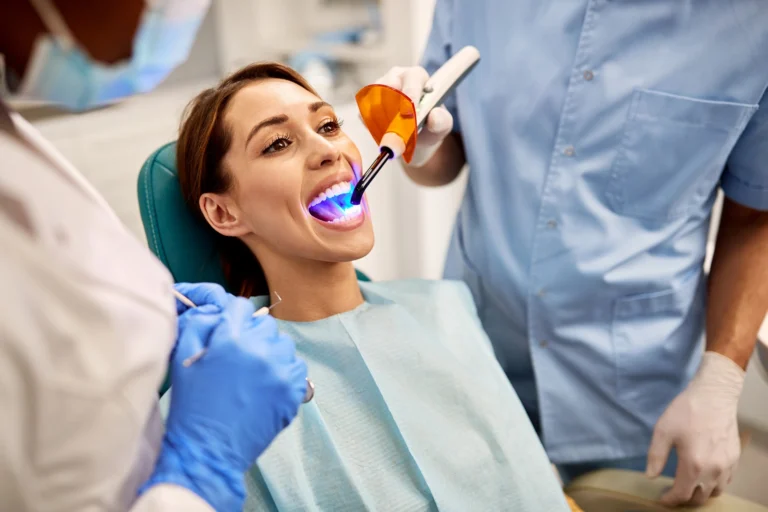
A dental emergency rarely arrives at a convenient hour. It starts with a cracked molar during dinner, a child waking up with facial swelling, or a crown that comes loose right before a work presentation. In those moments, people are not looking for a perfect long-term treatment plan. They need a competent dentist, a timely appointment, clear instructions, and confidence that the problem will not get worse overnight.
That is what makes finding dependable emergency dental care in Aurora so important. Speed matters, but speed alone is not enough. A rushed office that cannot diagnose properly, does not explain costs, or sends patients elsewhere for every step of care is not truly solving the problem. Reliable care means a clinic can assess urgency, control pain, identify infection or trauma, and either treat the issue promptly or coordinate the next step without confusion.
Aurora has enough dental options that patients can usually find help the same day, but not every office handles emergencies the same way. Some reserve daily time slots for urgent cases. Others can see patients quickly for an exam but refer complex procedures out. A few advertise emergency care broadly, yet have limited evening or weekend availability. Knowing how to sort through those differences can save time, money, and a lot of unnecessary stress.
What actually counts as a dental emergency
People often wait too long because they are unsure whether their situation is serious enough to justify urgent care. On the other hand, some problems feel dramatic but can safely wait until the next business day if managed correctly. The key is not whether the discomfort is annoying. It is whether there is significant pain, trauma, swelling, bleeding, infection risk, or a threat to the tooth itself.
A knocked-out adult tooth is an emergency. So is a broken tooth with exposed nerve pain, uncontrolled bleeding after dental work, swelling in the gums or jaw, or severe pain that keeps getting worse. A dental abscess is especially important not to ignore. Infection in the mouth does not always stay local. If swelling spreads, swallowing becomes difficult, or fever develops, the situation needs prompt attention and may even require medical care beyond the dental chair.
A lost filling or crown is more nuanced. If there is little pain and no sharp edges, it may be urgent but not critical. A chipped front tooth can range from cosmetic to serious depending on whether the fracture reaches deeper layers. Denture breaks, loose implants, and jaw soreness after an injury also sit in that gray zone where a skilled emergency dental office should help you triage, even if the final repair takes place later.
One of the most common mistakes I see patients make is judging the problem based on whether they can still function. Plenty of people can work through a tooth infection for a day or two, especially if they are taking over-the-counter pain relievers. That does not mean the issue is stable. It only means the body and medication are masking the severity for the moment.
The first call matters more than most people realize
When people search for Dental Emergency Aurora services, they usually focus on who can see them fastest. That is understandable, but the quality of the phone conversation tells you a great deal about the clinic you are about to trust.
A strong front desk team asks the right questions right away. They want to know where the pain is, how long it has been happening, whether there is swelling, whether trauma caused the issue, whether bleeding is under control, and whether the tooth is permanent or baby if a child is involved. Good emergency scheduling is part logistics and part triage. The office should not simply say, "Come in if you can." They should help determine whether you need to be seen immediately, later the same day, or after taking interim steps at home.
The clearest sign of a reliable practice is calm specificity. If your child has a knocked-out tooth, they should tell you what to do with the tooth before arrival. If you have swelling and fever, they should advise you not to delay. If a crown has fallen off but there is no pain, they should explain how to protect the area temporarily. That kind of guidance is not just courteous. It reflects real emergency experience.
By contrast, vague answers often signal a clinic that does not routinely handle urgent cases. If the person answering cannot tell you whether the dentist performs extractions, root canals, trauma care, or same-day repairs, expect delays after you arrive.
How to judge speed without getting fooled by marketing
Many practices use terms like aspenwooddental.com Dental Emergency Aurora "same-day emergency" and "urgent appointments available." Those phrases can be accurate, but they are broad. The more useful question is what the office can actually do once you are in the chair.
A clinic may offer immediate exams but not immediate treatment. That can still be helpful, especially if you need diagnosis, antibiotics, temporary stabilization, or pain relief. But if you are dealing with a fractured molar that likely needs extraction or root canal therapy, you should ask whether those services are available in-house and whether they are typically performed the same day when clinically appropriate.
This is where practical details matter. Ask whether the office has digital imaging on site. Ask whether they routinely reserve emergency slots each day. Ask whether they treat both adults and children if that is relevant. If sedation is important because of anxiety or extensive treatment, ask about that early instead of assuming it can be arranged on short notice.
A patient once described calling three clinics after breaking a premolar on a Friday afternoon. The first could see him in thirty minutes but only for X-rays and a prescription. The second offered an exam the next morning. The third could see him in two hours and perform the extraction that day if needed. The third office was not the fastest on paper, but it resolved the problem in one visit. In emergency care, that difference matters.
Signs that a dental office is reliable under pressure
The best emergency dentists are not necessarily the ones with the flashiest websites. Reliability shows up in operations, communication, and clinical judgment. In Aurora, where patients may be balancing work commutes, school schedules, weather, and insurance constraints, those practical traits matter just as much as clinical skill.
Here are five signs you are dealing with a dependable emergency dental office:
- The team asks focused triage questions before booking.
- The office gives realistic timing, not vague promises.
- They explain what can likely be done on the first visit.
- They discuss fees, insurance, or payment options clearly.
- They provide after-hours guidance or next-step instructions if they cannot see you immediately.
Notice what is not on that list. Fancy branding, aggressive discounts, and generic claims about comfort are not reliable markers of emergency readiness. During an urgent dental problem, transparency beats polish every time.
What to do before you leave for the appointment
The time between the first call and the office visit can affect the outcome, especially with trauma, swelling, or bleeding. Patients often improvise in ways that make a bad situation worse. Aspirin placed directly on the gum, for example, can irritate tissue. Trying to glue a broken restoration back in place with household adhesive is another common mistake.
Most situations benefit from a few straightforward steps:
- Rinse gently with warm salt water if the area is irritated or dirty.
- Use a cold compress on the outside of the face for swelling or trauma.
- Save broken tooth pieces, crowns, or appliances and bring them with you.
- Take over-the-counter pain relief only as directed, unless your physician has told you otherwise.
- If a permanent tooth is knocked out, handle it by the crown, not the root, and call immediately.
That short list covers a lot of ground, but judgment still matters. A knocked-out adult tooth has a narrow window where reimplantation may be possible. A growing facial swelling can cross from dental urgency into broader medical concern. If you have trouble breathing or swallowing, that goes beyond routine dental triage and needs immediate medical attention.
Why location and hours matter in Aurora
Aurora is not a tiny community where every clinic is five minutes away. Depending on where you live, work, or where your child goes to school, traffic and distance can shape your options. A practice across town might look perfect online, yet become impractical when someone is in severe pain or when bad weather turns a short drive into a stressful one.
That is why I often recommend patients identify at least two viable emergency dental options before they need one. One should be close to home. The other can be near work or along a route you already know well. In a true emergency, familiarity reduces decision fatigue.
Hours matter for a different reason. Toothaches have a habit of intensifying in the evening. Sports injuries happen on weekends. A clinic that offers early morning, late-day, or Saturday emergency access may save you from spending hours trying to patch together care. Even if the office is not open around the clock, many reliable practices provide voicemail instructions or answering service support that helps patients decide what to do next.
When searching for Dental Emergency Aurora care, do not just scan the homepage banner. Look for the actual hours, whether same-day requests are accepted, and what happens if you call after closing. Those details reveal more than slogans do.
Cost concerns are real, and good offices address them directly
A painful dental problem can quickly turn into a financial worry. Patients often hesitate to call because they fear being pressured into expensive treatment before they understand the diagnosis. A professional emergency dental office knows this and addresses it plainly.
Emergency visits usually begin with an exam and necessary imaging. The exact fee varies by clinic and by what diagnostics are required, but trustworthy offices are usually able to give a general estimate for the initial visit, then explain treatment ranges once the dentist evaluates the problem. That does not mean every number will be exact over the phone. It means the conversation should be honest.
If you have dental insurance, ask whether the practice is in-network, but do not stop there. Out-of-network emergency care can still be worth it if the clinic can resolve the problem quickly and competently. Delayed care often becomes more expensive, not less. A small crack that could have been bonded may turn into a root canal or extraction if left untreated. A simple infection may become a more involved procedure after a weekend of waiting.
For uninsured patients, many offices offer payment plans or third-party financing. The better practices mention these options without making the financial conversation feel like a sales pitch. Emergency dentistry should feel clinically driven, not commercially choreographed.
Children, seniors, and medically complex patients need a different filter
Not every dental emergency patient fits the standard model of a healthy adult with a broken tooth. Parents looking for help after a child falls at the playground need a clinic comfortable with pediatric assessment and behavior management. Seniors may have more complex restorations, thinner enamel, dry mouth, medication interactions, or partial dentures that complicate urgent treatment. Patients with diabetes, heart conditions, anticoagulant use, or immune suppression need careful coordination.
This is where "fast" can become misleading. The quickest available office may not be the best fit if they are uncomfortable treating the patient profile involved. When you call, mention anything relevant up front, including blood thinners, recent surgeries, pregnancy, implanted devices, severe dental anxiety, or special needs. A reliable office will tell you whether they can safely treat the situation or whether referral is wiser.
I have seen this play out in practical ways. A teenager with a sports injury may need both immediate stabilization and follow-up monitoring because traumatized teeth can change over time. An older adult with a fractured tooth under a bridge may need a more nuanced plan than simple extraction. Urgent care should solve the immediate problem, but the right clinic also thinks one or two steps ahead.
Red flags that should make you pause
Marketing can make many practices look similar. Under pressure, patients often ignore warning signs because pain narrows their focus. A little skepticism is healthy.
If a clinic refuses to discuss what services it can provide, that is a problem. If the team cannot tell you when the dentist will actually be on site, that is another. Watch for pressure to commit to broad treatment before you have a diagnosis. Be cautious if no one asks about swelling, trauma, medications, or allergies. And if online reviews repeatedly mention chaotic scheduling, surprise fees, or dismissive communication during urgent visits, pay attention.
No office will have perfect reviews, especially in emergency care where emotions run high. What matters is the pattern. Occasional complaints about wait times are common. Repeated complaints about miscommunication, billing confusion, or lack of follow-through deserve more weight.
The role of online reviews, maps, and local search
Search engines are useful, but they can create a false sense of certainty. High ratings help, yet they do not always tell you whether the office is strong in urgent dentistry specifically. Some highly rated practices excel in cosmetic work or routine family care but do not devote many resources to same-day emergencies.
When you review search results for Dental Emergency Aurora, look beyond the star rating. Read a few recent comments and search for references to tooth pain, swelling, trauma, extractions, root canals, and same-day treatment. Notice whether patients mention how the office handled stress, explained options, and followed up afterward. Those are stronger indicators than generic praise about a nice waiting room.
Maps also help with route planning. During business hours, ten extra minutes in traffic can feel like an hour when someone is in pain. Before you need urgent care, it is worth checking where likely emergency clinics are located relative to your home, your child’s school, and the main roads you actually use.
What good emergency care looks like once you arrive
A quality emergency visit is usually structured, even when the day feels chaotic to the patient. The team gathers a concise history, takes focused imaging if needed, examines the affected area, and identifies whether the problem is infection, fracture, trauma, failed restoration, bite-related pain, periodontal issue, or something less obvious such as sinus-related referred pain. The dentist then explains what is happening in plain language.
The next part is where reliability really shows. You should leave knowing both the immediate plan and the likely follow-up. Sometimes the first visit solves everything, as with a straightforward extraction, a recemented crown, or a temporary restoration. Other times the immediate goal is to stabilize, reduce pain, and prevent worsening until definitive treatment can be completed. There is nothing wrong with staged treatment when it is clinically appropriate. The problem is when patients are left unclear about why care is being staged or what comes next.
Good emergency dentists also avoid overpromising. Some teeth cannot be saved. Some painful teeth look repairable but reveal deeper cracks once treatment begins. Some swelling requires antibiotics and drainage before more definitive work is safe. Honest uncertainty is part of competent care.
Why preparation beats panic
Nobody plans a dental emergency, but a little preparation makes a big difference. Keep your dental insurance card or coverage details accessible. Know what medications you take. Have your regular dentist’s information saved in your phone. If you have children in sports, ask in advance where your family dentist recommends going for after-hours trauma. These are small habits, but they shorten the gap between problem and treatment.
It also helps to know your own tendencies. Some people minimize pain until they cannot sleep. Others panic at the first sign of trouble. The right response sits in the middle. Respect symptoms, especially swelling, trauma, severe pain, and signs of infection, but ground your decision in the facts you can gather and the guidance a capable office provides.
The patients who navigate urgent dental problems best are rarely the ones with the highest pain tolerance. They are the ones who act early, ask direct questions, and choose a clinic based on actual emergency readiness rather than convenience alone.
Finding the right help when every hour counts
Fast and reliable dental emergency care in Aurora comes down to a few core factors: the office must answer quickly, triage intelligently, communicate clearly, and provide appropriate treatment without unnecessary delays. The best choice is not always the clinic with the boldest emergency claim or the nearest available chair. It is the one that can match urgency with skill.
If you are searching now because something hurts, focus on practical questions. Can they see you today? What treatment can they perform on site? How do they handle infection, trauma, or severe pain? What will the first visit cost, at least approximately? What should you do before arrival?
Those answers tell you far more than any homepage headline. In a dental emergency, reassurance is helpful, but clarity is what gets people through the day.
Aspenwood Dental Associates and Colorado Dental Implant Center
2900 S Peoria St Ste C, Aurora, CO 80014, United States
+1 303-731-4037
FAQ About Dental Emergency Aurora
What qualifies as a dental emergency?
A dental emergency is any oral injury or condition that involves severe pain, uncontrolled bleeding, or a potential infection that puts a tooth or your overall health at risk.
Can the ER do anything for a tooth?
AI Overview An emergency room (ER) cannot fix or pull a tooth, perform root canals, or provide long-term dental care, because most ERs do not have dentists on staff.
What is the 3-3-3 rule for tooth infection?
The 3-3-3 rule for a tooth infection or severe toothache is a short-term over-the-counter pain management strategy. It involves taking 600 mg of ibuprofen (typically three 200 mg tablets) 3 times a day for no more than 3 days.